3 Step Guide to Selecting the Right Disaster Healing Service
Whether it's a ransomware attack, a natural catastrophe, or corruption of a consumer's database, you want to ensure that your business's IT system can recover. Having an organization connection and catastrophe recovery (BCDR) strategy is vital. There are a plethora of BCDR options (on-premise, hybrid, or cloud-based), and it's important to select the very best one for your business requirements. Here's what you should be watching out for when assessing your next BCDR option.
Find the Right Business Continuity/Disaster Recovery Solution in 3 Steps:
1. Evaluate BCDR and DRaaS Solutions
One of the greatest factors when choosing a BCDR option is figuring out managed services brisbane whether you'll contract out assistance or handle it internally. If you intend on contracting out assistance, you'll need to partner with a managed companies (MSP) that excels in continuity and compliance solutions. Given that many BCDR solutions integrate cloud, software application, and hardware components - you'll require a process to support your virtual properties, regional servers and desktops. BCDR hardware has numerous functions including:
Hosting BCDR software application

Storing regional copies of backup server images for routine brings back
Acting as the primary server during a failover, allowing company to continue during repairBCDR software is utilized to automate and handle backup and healing processes. After an initial full server backup, BCDR software application takes incremental snapshots to create "healing points" or point-in-time server images. Healing points are utilized to restore the state of a server or workstation to a specific point in time (before it failed or information was corrupted).
2. Look For BCDR Cloud Options
The very best BCDR options have a cloud backup as well as a healing part. This is since the cloud serves two functions in a BCDR option. The very first is to supply offsite storage area for server and workstation images used for restores. The 2nd is to take control of crucial operations when a failover occurs.
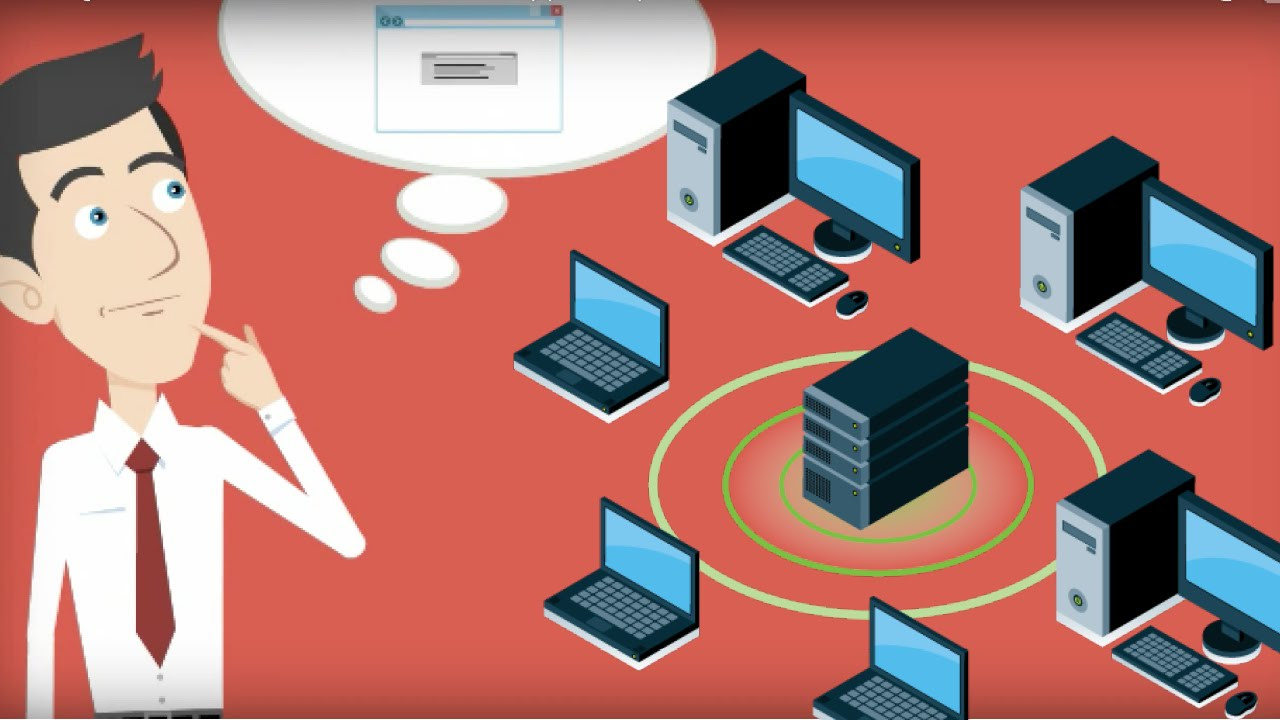
Backups can be stored in your area - on an appliance or backup server in your information center - or from another location, in the cloud. For BCDR, it's best to keep copies of your backups in both locations. To put it simply, if it's not possible to restore a system in your area, you can failover to the cloud. Likewise, your solution should attend to a variety of data remediation situations, varying from restoring a few lost files to recovering from a complete server failure or the damage of numerous servers and PCs. Restoring from local backups is much faster, while the alternative of stopping working over to the cloud gives you ultimate protection against worst-case situations.
3. Address Security and Compliance Frameworks
A BCDR must deal with ransomware detection, point-in-time rollback capabilities, and data immutability. It's important to search for BCDR solutions that comply with Service Organization Control (SOC 1/ SSAE 16 and SOC 2 Type II) reporting standards and function two-factor authentication. This can assist protect your information and reduce the requirement for manual intervention. If you wish to learn how to keep your company healthy and safe, connect to us for a totally free IT assessment.